Isle of Bute
Rothesay
About
Rothesay
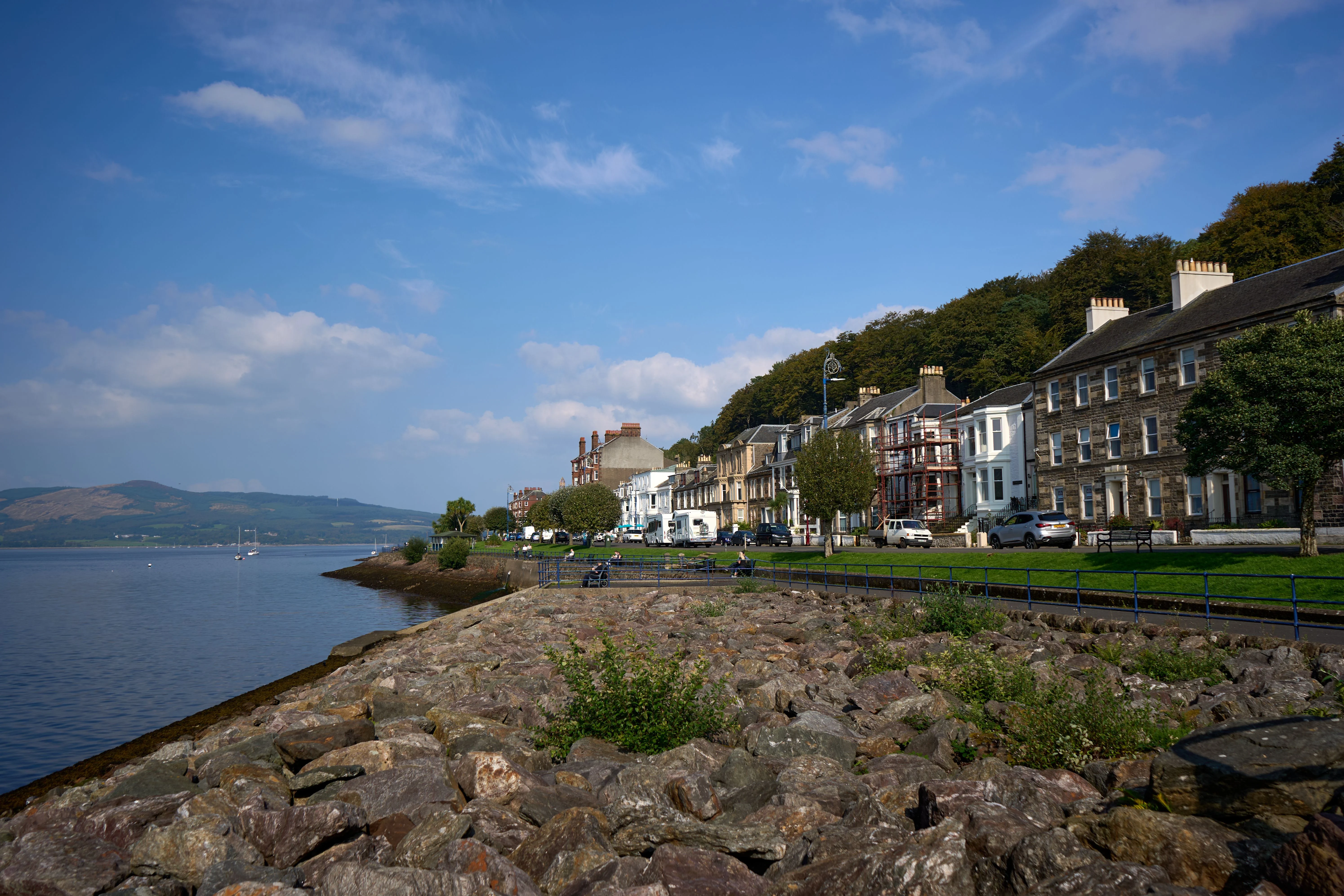
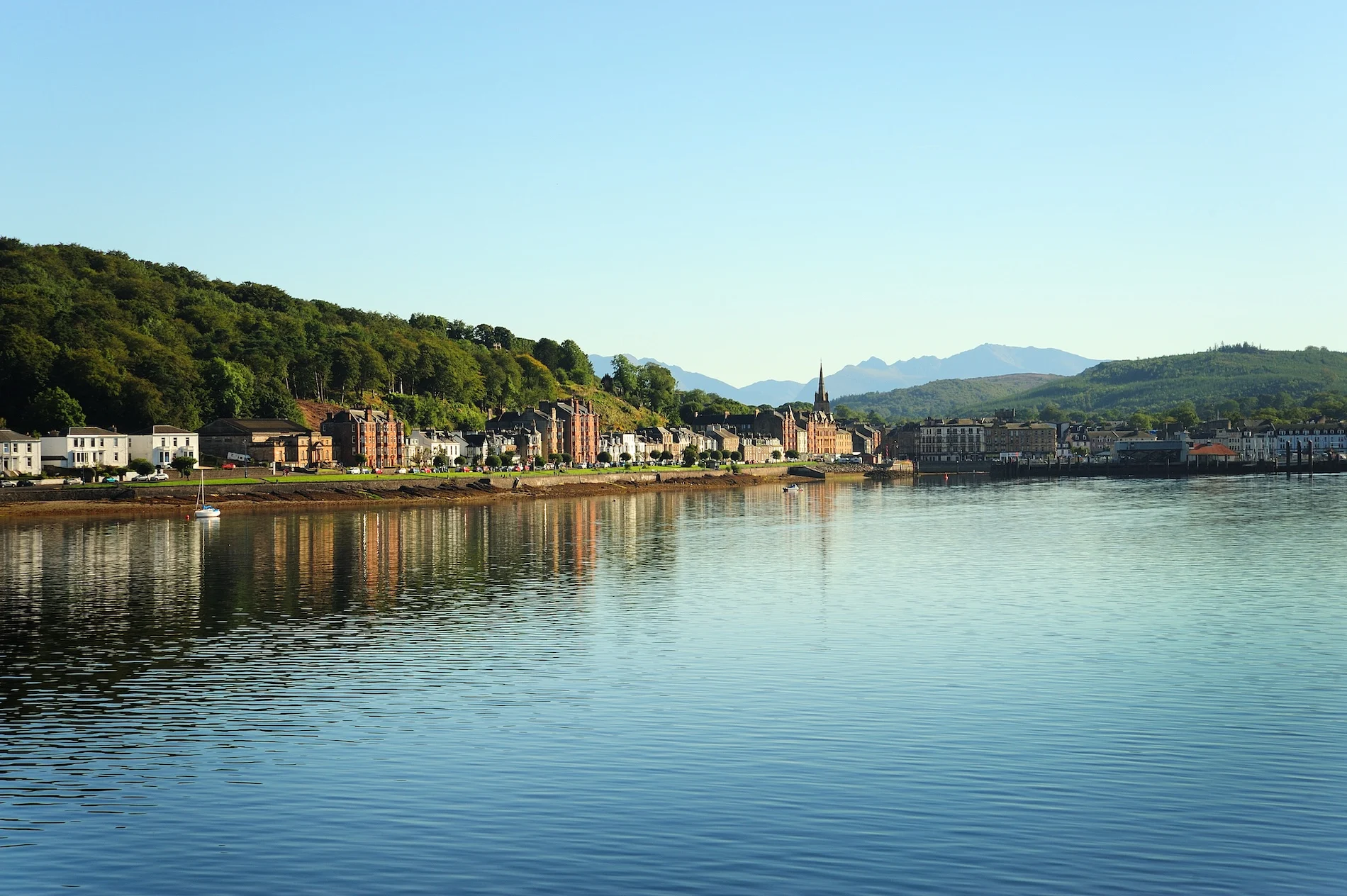
Rothesay is the principal town on the Isle of Bute — a charming Victorian seaside resort on the Firth of Clyde that once drew thousands of Glaswegians 'doon the water' each summer on the paddle steamers. Today it retains much of its Victorian character: a curving seafront promenade, elegant townhouses, beautiful public gardens, and a pier where ferries still arrive from the mainland. Beyond the Victorian seaside atmosphere, Rothesay has genuine historical depth. Its medieval castle is one of the most unusual in Scotland, with a circular plan unique in the British Isles. The town also has a famous Victorian public toilet — Grade A listed and genuinely worth visiting — and the beautiful Winter Garden, restored to its 1920s glory. Bute's mild Gulf Stream climate produces lush greenery and subtropical planting that surprises visitors expecting the Scottish norm.
Things to see & do

FAQs
Rothesay is one of Scotland's best-preserved Victorian seaside resorts, home to a medieval castle with a rare circular plan and, on the pier, a set of Grade A listed Victorian public toilets whose ornate original fittings have become an attraction in their own right. The town is welcoming, the food is good, and the rest of Bute is easy to reach from here.
Rothesay is reached by CalMac ferry from Wemyss Bay on the Ayrshire coast, about 35 miles south-west of Glasgow. The crossing takes around 35 minutes and runs frequently through the day. Trains link Wemyss Bay station directly to Glasgow Central, so you can get here without a car. Your Hopscotch driver-guide sorts out the ferry logistics.
Built in 1899 and never modernised, the Rothesay Victorian toilets on the pier are a piece of living history: gleaming Doulton urinals, Italian faience mosaic floors, cast-iron fittings and a uniformed attendant, all still in daily use. Their remarkable completeness earned them Category A listed status, and they're now one of the most visited spots on Bute.
Rothesay tends to surprise anyone expecting a tired seaside town. Between the Victorian seafront, the medieval castle, Mount Stuart House nearby, the mild subtropical planting and the warmth of island life, Bute has a character all its own. The short ferry crossing adds to the sense of escape, and the island easily fills a full day.
Book a private tour and explore
Rothesay
with a local expert guide.


Start Planning Your Scotland Adventure
Please contact us if you’d like to customise an existing tour or if you want to create a bespoke tour specifically for you and your group.
Our expert team of advisors are here to help.
.avif)